Monday, October 14, 2013

Want To Help A Small Business Get Off The Ground?


Home brewing runs in the family. My cousins Joel and Matt have been home brewing beer for many years now. They planted hops over 6 years ago so they had their own fresh hops to brew with. You know, I never asked them, but I bet they planted hops in 2007 because of the hop shortage, maybe one of them will chime in on the topic in the comment section. If you are a home brewer you will remember 2007 as, "the year of the global hop shortage". Do to a flood of hops on the market in the years leading up to 2007, farmers got out of the hop business bringing the amount of hops on the market down. If that wasn't enough, a large warehouse in Washington full of hops burned to the ground in October of 2006. This made for a perfect storm, and sent hop prices through the roof if you could even get any. I remember my brew store had a 3 ounce limit on buying hops and you had to buy at least 10 pounds of grain to get them.


At any rate, 2007 saw the genesis of  "Ocean State Hops". The OSH crew consists of my cousins Joel, Matt and Kara with help from their friend Abe. Ocean State Hops is a small business in Exeter RI that is, in their words; "fueled by a passion to cram as many hops into each batch of beer as humanly possible". I, being a fan of this style of brewing, applaud their efforts at making beer that tastes like beer. I make a batch of beer that consists of me cleaning out the freezer at the end of the year and throwing every ounce of hops I have into one batch of IPA. I named this super-hopped beer "I Pee Hops."


Over the years the business picked up, they started selling to local breweries and kept adding more and more hops to the farm. This season they got really smart and went to a pick-your-own hops model. You come to the farm, pick a vine, cut it down and take it home. Fast, easy and smart. Well what could be next in the natural progressing of things? Starting a brewery of course. Matt and Kara recently purchased some brewing equipment from a brewery doing an upgrade and they already own the property where the brewery will be located. What they need help with is a 100 year old barn they want to retrofit with plumbing, a bar, a viewing area, refrigeration, everything you need to have a tour-able brewery.


So this is the barn in question. I grew up coming to this property almost every summer and have many memories playing in and around this barn. I am so happy Matt and Kara have decided to make this property their home and give this old barn a new life. I can't wait to see the operation in full working order. They have decided to name the brewery "Tilted Barn Brewery". I will cheers to that!


So please consider helping my family realize their dream of opening up a brewery on a piece of land that has been in our family for over 50 years. If you want to help out, here is a link to their Indiegogo campaign. Anything helps and they have a bunch of incentives at different backing levels. I can't wait to get my TBB shirt! All pictures in the post courtesy of Tilted Barn Brewery.



Monday, October 7, 2013

Paleo-ish Zucchini Lasagna

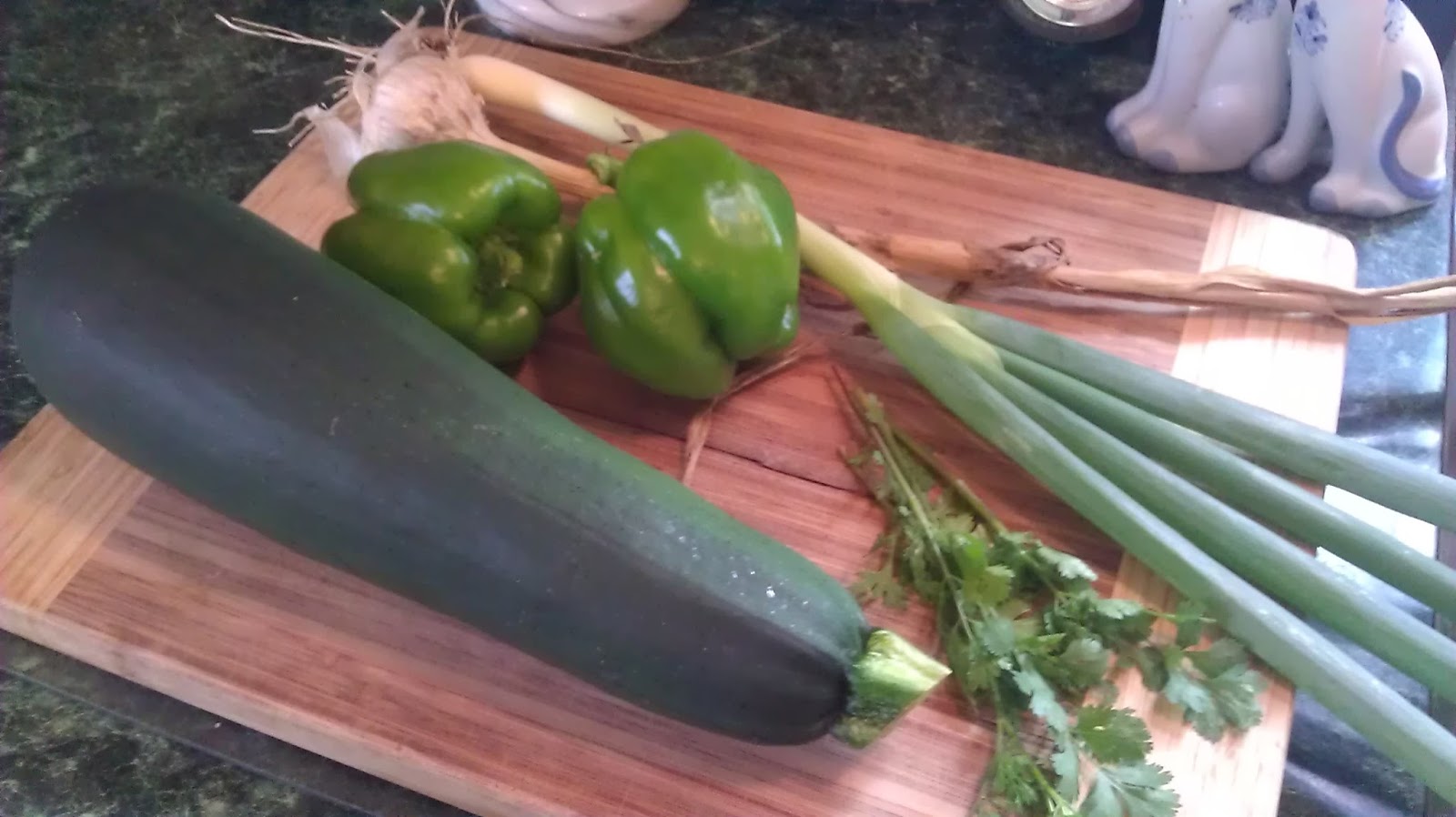
Remember those giant zucchinis I picked? Well we found a use for one of them at least. Lasagna noodles!!! 

So, I made this lasagna out of yard veggies and local beef. The cheese I used was Kerrygold (I must say their Dubliner cheese is my favorite cheese ever). The cottage cheese was Kalona SuperNatural. Tasty stuff.


I chopped up a couple peppers and some onions to add to the ground beef. I think I used 5 garlic cloves as well.


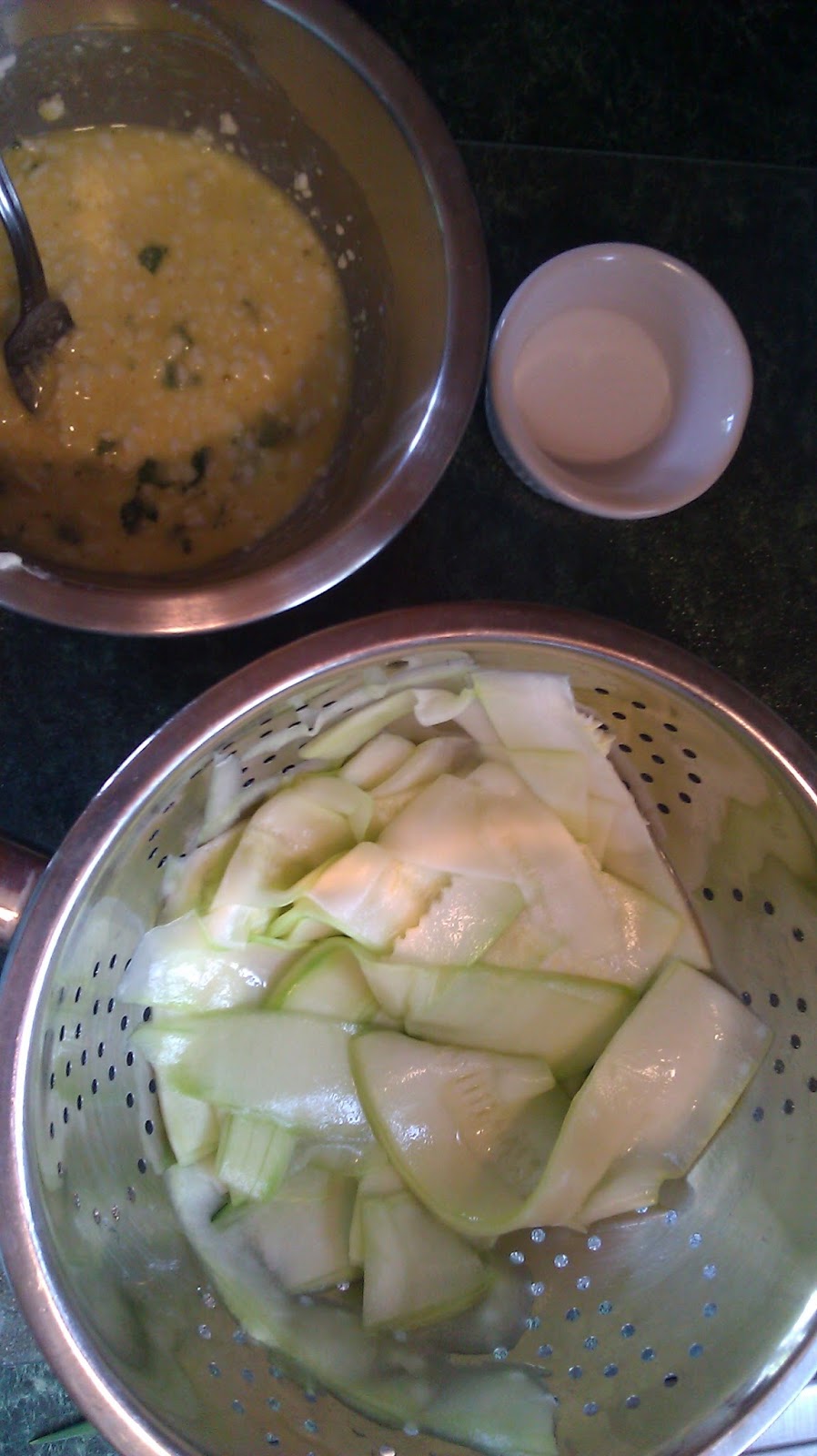
I sliced up the noodles and put them in a colander. I read that you should sprinkle with salt and let sit a bit so the excess liquid drains off. I combined two scrambled eggs with a container of cottage cheese and fresh parsley (don't use as much as I have pictured above unless you really, really love parsley).


I layered the prepared meat sauce (Seasoned tomato sauce, 1 lb of beef and veggies), zucchini strips, egg and cottage cheese mixture, topped with cheese and I did this three times. The top layer I sprinkled with fresh oregano and parsley.


Here is the precooked finished product. I baked it covered until I decided it was done (probably like 45 minutes) and then took the foil off and bumped up the heat to brown the cheese on top. 

Sorry there were no after pictures. It was devoured almost immediately after it came out of the oven.


Thursday, October 3, 2013

Growing Your Own Vitamin C in Zone 6a


Okay, think back to a very cold January in your past. Did you have to pull out your "winter" jacket on that terrible day the temperature dropped to a frigid 40 degrees Fahrenheit? If the answer is yes, then you are geographically lucky and probably live in a climate where large reptiles could kill and eat you if you are not diligent. If the answer is no, you may live in the mid-west like me and can't grow citrus. So how does a gardener grow vitamin C in the mid-west? Plant a rose...


This beautiful rose is called Rosa Rugosa (R. rugosa). It is native to eastern Asia, where it grows near the coast, typically on sand-dunes. Its natural range goes from southeastern Siberia to northeastern China. It is found on the Island of Japan as well. It has many common names including; beach rose, shore eggplant, shore pear, beach tomato, sea tomato, beach plum, sea rose, salt-spray rose and in Korea, it's name translates to "flowers near seashore".

Rosa Rugosa is now found all over the world. It was introduced to the United States via New England in the 1770's. It quickly spread into the wild due to its ability to tolerate salt spray, ease of propagation and the fact that it is hardy down to USDA zone 2.  It is considered invasive in many parts of the world. One of these days I will do a post on my position on "invasive" plants. Suffice it to say, I have Rosa Rugosa all over my property.


Most rose gardeners will dead head their roses to trick the plant into producing more flowers. With Rosa Rugosa you want to let the flowers fall off naturally. You will be left with these, the rose hip, also know as rose haw and rose hep. Rosa Rugosa has some of the largest rose hips of any rose. When they mature they are one of the highest concentrations of vitamin C in the plant kingdom. When dried, they have a 1-2 percent L-ascorbic acid (vitamin C) concentration, making them higher in vitamin C than citrus.

During WWII, German submarines were sinking many commercial ships around Great Britain making it very hard to get citrus. A campain was started in Britain to encourage the wild harvesting of rose hips to make a syrup for infants and children. Severe vitamin C deficiency is known as scurvy. There is a reason pirates (in the movies at least) use scurvy as a derogatory word, you don't want it!


Rose hips are packed full of lycopene, an antioxidant that prevents oxidation of LDL particles in your blood, that's a good thing. It also has vitamins B and A as well as essential fatty acids the body cannot produce for itself. Rose hip tea has traditionally been used to treat respiratory infections, joint pain and as a salve to treat sore mouths. Here is an abstract of a study concluding using rose hip powder benefits people with rheumatoid arthritis. Here is another study, same result for osteoarthritis.

Some care must be taken when eating them. Once the rose hip has ripened you can eat them raw by simply biting off the outside of the fruit. You don't want to pop one in your mouth and chew because they have seeds, and most importantly, fine sliver like hairs in the interior that have traditionally been used to make itching powder.

The internet is full of how to's on making rose hip tea, fruit leather, soup, jelly, jam, syrup etc... I will add that if you wait to harvest them until after the first frost, they will have more concentrated sugars. If you need one more reason to start growing this plant on your property, you can make wine out of it. What more do you want in a plant?


Wednesday, September 25, 2013

Mouse Melon


Whats this? A watermelon the size of a grape? A giant holding a full size watermelon? A delicious addition to your edible backyard? I will go with the latter.


Do you want a conversation starter for next years garden? Well I recommend growing this amazing little vegetable / fruit called a Mouse Melon (Melothria scabra). In Mexico it is called "sandia ratón" literally "mouse watermelon". It is also known as Mexican sour gherkin, cucamelon, Mexican miniature watermelon, and Mexican sour cucumber. This annual vine produces hundreds of little fruits the size of grapes.


It is native to Mexico and Central America where it is thought to have been in cultivation before western contact. It belongs to the Cucurbitaceae family. The fruit tastes like a lemony cucumber, which is interesting because cucumbers are thought to have originated in India. Most of the Curcurbit family species in the Americas are pumpkins, squash and gourds. Watermelon and melons come from Africa if you want to bring most of the Curcurbit family full circle.


I heard about this awesome little plant on a podcast I listen to. We had a seed swap dinner party a while ago and this was one of the plants we got seed for. You can eat them raw in salads or you can pickle them with your favorite pickle recipe. We are going to play around with cooking them and see what happens. There are not a lot of recipes available for these, so hopefully we can find a new way to eat them. Here is a seed source, I highly recommend growing these in your garden next year.


Wednesday, September 18, 2013

Blunt Mountain Mint


Let me tell you about an amazing plant I've had growing for a couple years. I learned a lot about this plant in my research for this post. So what is it? It is called Blunt Mountain Mint (Pycnanthemum muticum), also known as Short Toothed Mountain Mint, Clustered Mountain Mint and Big Leaf Mountain Mint. While Mountain Mint is in the Lamiaceae family with other mints like spearmint and peppermint, it is not a true mint. You wouldn't think that if you crushed some and smelled it though. This native hardy perennial deserves a spot in your garden.


Lets break down its Latin / Greek name. Pycnanthemum is Greek for "dense flower", pyknos = dense and anthos = flower. Muticum is Latin for blunt, referring to the flat leaves at the end of the stems. It was given this name by the French Botanist Andre Michaux when he "discovered" the plant in Pennsylvania in 1790. He named it this because of its tiny densely clustered flower heads. Mine is still flowering a bit, you can see the tiny pinkish flowers on the edges of the heads. Every bump you see on the head had a flower on it recently. 

Insects are drawn to this plant in amazing quantities and diversity. Bees absolutely love it, so do butterflies, wasps, moths and flies. Predators like to hang out on it to ambush nectar enamored insects. The dried heads last through the winter and provide habitat for insects. So make sure you leave them up through the winter.

The leaves contain an organic compound called pulegone, the same chemical in pennyroyal that is used as an insect repellant. For all my chemically inclined readers here is a pretty picture.

File:Pulegone Structural Formulae.png

You can pick some leaves and rub them on exposed skin to keep those pesky mosquito's at bay. Some people have a reaction to this so test a small area of skin before you go all out. The toxicology for humans seems to be largely not researched. A study in rats has shown the chemical pulegone to be toxic in large quantities. Personally I chew a leaf every time I walk by it. So far so good. Do your own research if you are worried about toxicity. Here is an article on the toxicity and myths of pennyroyal, which has higher levels of pulegone than Blunt Mountain Mint. At any rate you would have to eat a lot of this plant to get a large dose of pulegone. Just to be safe, I will state; you should not use this plant if you are pregnant. I encourage you to read the article on toxicity and myths above.

Here is an experiment I hope to perform soon. I will take three crushed leaves of blunt mountain mint and drop them in a glass cylinder filled with frozen water molecules (ice). To this I will add one part ethanol (sky vodka should do the trick) to two parts quinine laced carbonated water (Canada dry will work nicely) and stir. This experiment may need to be repeated several times before I can give any conclusive data.

How would you like to find a use for those old unmatched socks hanging around? Take said sock, put some leaves and flower heads in it and tie the end off. Throw this is your dryer for a fresh minty scent. You can also take some leaves and flower heads and put them in a cheesecloth bag. Tie off the cheesecloth and let this soak in a hot bath. You can use the plant for making potpourri or just place some leaves in your dresser drawers to keep insects away and freshen them up.

I highly recommend growing this plant if you want to bring in pollinators, especially if you keep bees on your property.


Friday, September 13, 2013

Flowers From Around The Garden


I was walking around the garden yesterday and was surprised by the amount of flowers still in bloom. Having a large variety of plants flowering in your garden is beneficial in many ways. First is beauty, I will step out of my power tool infested man-cave and say, flowers make me happy, plain and simple. Secondly, flowers of different colors, shapes, and sizes bring all kinds of beneficial insects to your garden. Some of these insects are predators that help control insect pests, and some are pollinators that will help pollinate your food crops while they are in the area. Last but not least, many flowers have medicinal properties or are edible, or both. Here are some pics I took yesterday.


This is one of our favorite flowers in the garden. Cosmos (Cosmos bipinnatus) is native to Mexico. The flowers attract birds and butterflies, and bees love them.


We bought a perennial flower seed mix that had dozens of different flowers in it. I am not sure what this is but it is a beautiful flower.


Same thing here, some kind of perennial flower. In the spring I plan on filling the beds along the back of the property with this mix.


Marigolds are very beneficial. They are said to deter some insect pests and bring in beneficial insects. This is a french marigold (Tagetes patula), it is not edible, just beneficial. Some people confuse the inedible french marigold with the edible, sort of look a like, Calendula (Calendula officinalis).


This is Borage (Borago officinalis), which is very edible and delicious. The flowers continuously bloom all through the season. Bees love these flowers and they make a nice addition to a salad.


The first Jerusalem Artichokes (Helianthus tuberosus) are blooming. I took this picture with the camera extended as high as I could above my head and the flower was still a few feet away. Right now these plants are around 10-12 feet tall. I did a detailed post on Jerusalem Artichokes here if you are interested.


Not sure what this plant is. I was about to cut them all down when I noticed it was about to bloom. I am going to leave one and take the rest out. It has a very woody stalk that leads me to believe it might be a perennial. We will see if it comes back in the spring.


This is a perennial I bought in a big box store clearance sale. Not sure what it is, but it comes back every year and the bees like it.


Same here, this is a perennial from a clearance sale. I have a hard time passing up .50 cent flowering perennials.


My addiction strikes again. I often think about getting a part time job at my local big box store just so I can get first dibs on the clearance plants!


Yarrow (Achillea millefolium) is a very valuable plant in the garden. It is a good companion plant, a medicinal and edible. It attracts predatory wasps, ladybugs and hover flies; all very beneficial to have around. It is said to improve the health of sick plants it is near to. Yarrow has been used for centuries as a pain reliever, an astringent, an anti-inflammatory,  a diaphoretic and it was used in ancient times to stanch blood flow in wounds. In those days it was called herbal militaris.


Friday, September 6, 2013

You look away for one minute...


Dara and I drove out to Rhode Island over the Labor day weekend. My family gets together and has a traditional clambake each year. This year we did not have a bake, but we still got together for a grill out. We had a lot of fun seeing the family and catching up with everyone. Next year I will document the bake and do a blog post about it. The whole process is fascinating and I am glad it is a tradition in my family. 


These are not cucumbers. Before we left for Rhode Island I checked our zucchini and saw a few tiny zucchinis with the flowers still on them. It is amazing how fast these guys can grow. That is a normal size spoon. We are making a Paleo zucchini lasagna with them. When they get this big we have also shredded them to make a Paleo meatloaf. You could make zucchini bread as well, or something I used to do as a kid, make a sail boat out of them.